About Horizontal Cylindrical Fully Automatic Autoclave Machine
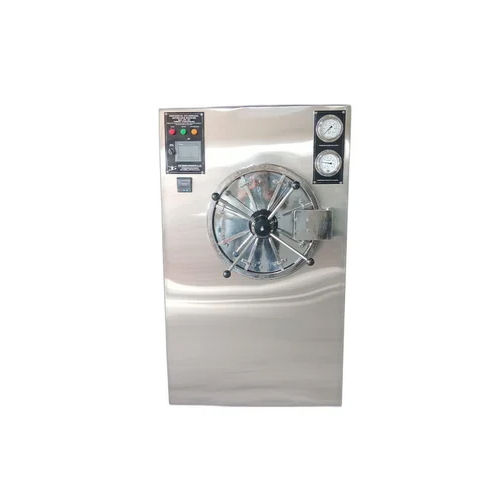
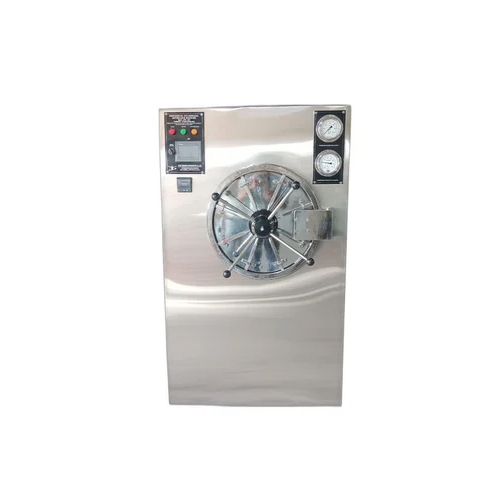
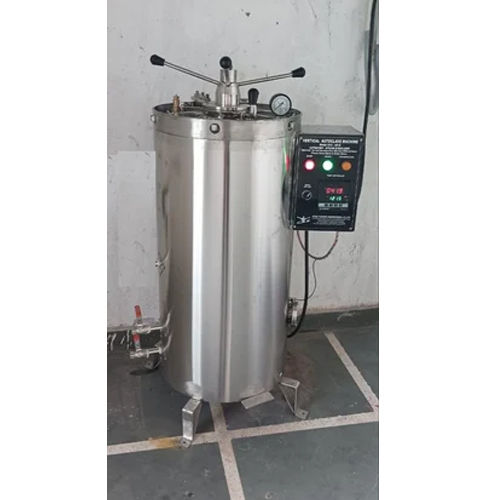
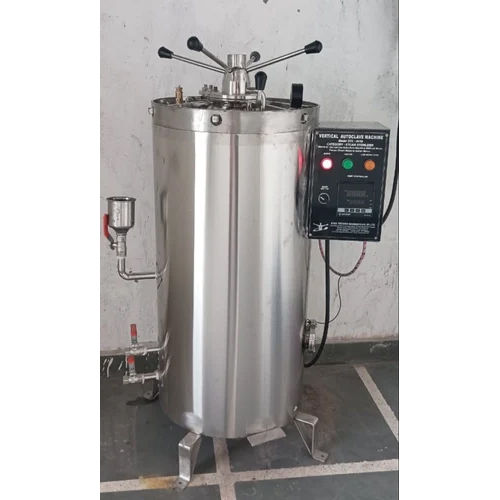
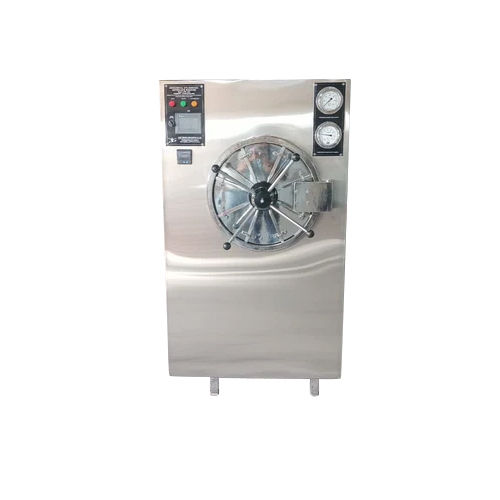
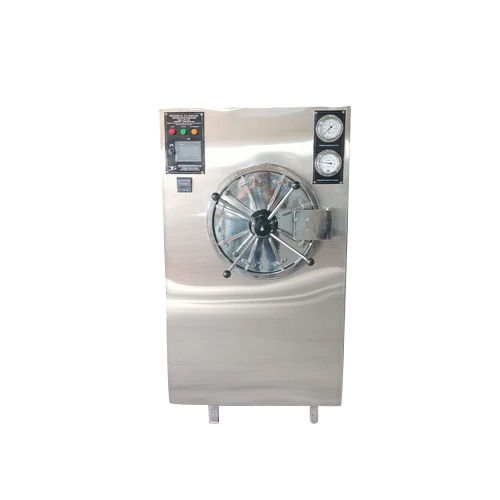
This Horizontal Cylindrical Fully Automatic Autoclave Machine is a large pressure vessel used to sterilize equipment and supplies by subjecting them to high pressure saturated steam depending on the size of the load and the contents. It is widely used in the food, beverage, chemical, pharmaceutical, and other industries. It is precisely manufactured in sync with set industry norms using optimal grade components with the help of advanced techniques at our well equipped manufacturing unit. Moreover, this Horizontal Cylindrical Fully Automatic Autoclave Machine is offered to our clients in different technical specifications as per their specific demands at an economical price range.
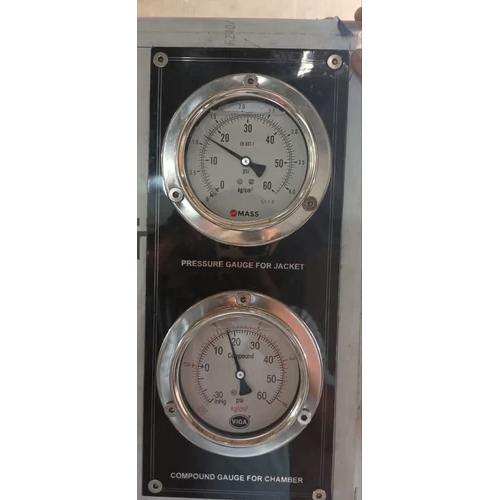
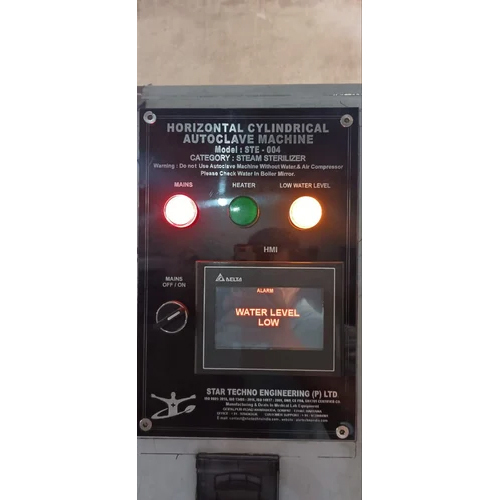
Advanced Automatic Control SystemThis autoclave machine integrates a fully automatic PLC-based control with a user-friendly HMI, enabling operators to easily select, modify, and monitor sterilization cycles. The digital display provides real-time feedback on temperature, pressure, and cycle time, ensuring both accuracy and convenience for industrial users.
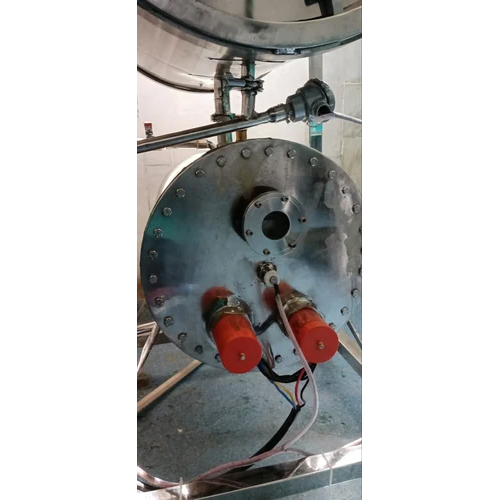
Durable and Hygienic Stainless Steel ConstructionManufactured with high-grade SS 304 or 316L stainless steel, both the chamber and piping are resistant to corrosion and conform to sanitary standards. The polished inner surfaces and matt outer finish facilitate easy cleaning and long-lasting durability, making these autoclaves ideal for rigorous industrial environments.
Comprehensive Safety and Alarm FeaturesEquipped with multiple safety mechanisms-pressure safety interlocks, emergency stop, and automatic pressure release-the machine prioritizes operator safety. Audio-visual alarms notify users of cycle completion and operational errors, while heavy-duty valves and heat-resistant gaskets add layers of protection during operation.
FAQ's of Horizontal Cylindrical Fully Automatic Autoclave Machine:
Q: How does the fully automatic control system enhance autoclave operation?
A: The autoclave's fully automatic PLC-based control system streamlines operation by automating cycle settings, monitoring parameters, and providing instant feedback via the HMI interface. This minimizes manual intervention, reduces human error, and improves process consistency for users.
Q: What is the benefit of using stainless steel 304/316L for the chamber and piping?
A: Stainless steel 304/316L offers exceptional corrosion resistance and durability, meeting sanitary requirements for industrial sterilization. The polished inner surfaces prevent residue build-up while the sturdy construction ensures a long operational life, even under harsh conditions.
Q: When should softened water be supplied to the autoclave?
A: Softened water must be consistently supplied for the steam generation process to avoid scale formation inside the chamber and piping. This ensures efficient steam production, preserves machine longevity, and maintains optimal sterilization results.
Q: Where can the horizontal cylindrical autoclave be installed?
A: This machine is suitable for installation in industrial settings such as pharmaceutical plants, laboratories, surgical centers, and biotechnology facilities anywhere in India or globally. Customizable outer size options ensure it fits varying space requirements.
Q: What is the process of loading and unloading the chamber?
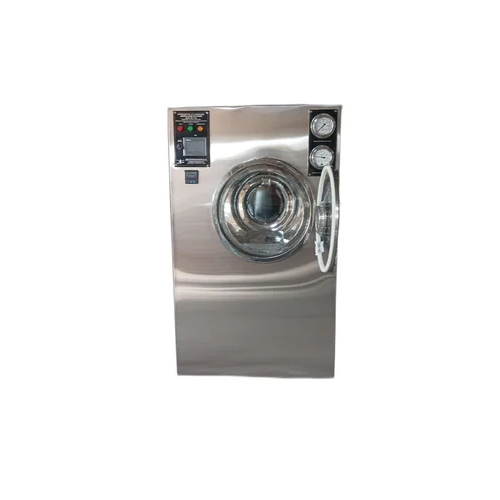
A: Operators use the heavy-duty stainless steel outer trolley for smooth chamber loading, while the perforated inner trolley enables optimal steam circulation around items. The automatic, horizontally sliding or hinged doors provide convenient and safe access during operation.
Q: How do the built-in vacuum and spray systems improve sterilization performance?
A: The in-built vacuum pump efficiently removes air for even steam penetration, enhancing sterilization and drying. Uniform spray distribution ensures thorough coverage across all chamber contents, maximizing the efficacy and reliability of each cycle.
Q: What types of alarms and safety features are included in this autoclave?
A: Audio-visual alarms indicate errors or cycle completion, while pressure safety interlocks, emergency stop, automatic pressure release, and temperature/pressure control mechanisms collectively protect users and ensure safe machine operation.






 Send Inquiry

 Send Inquiry
 Send Inquiry
 Send SMS