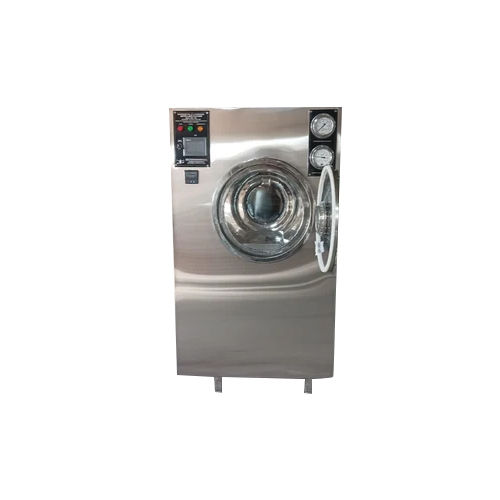
About Horizontal High Pressure Steam Sterilizer
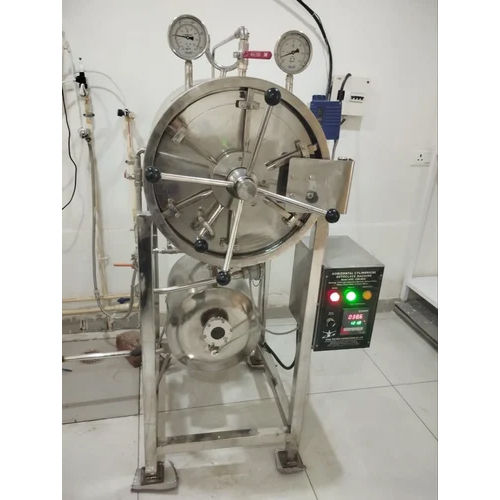
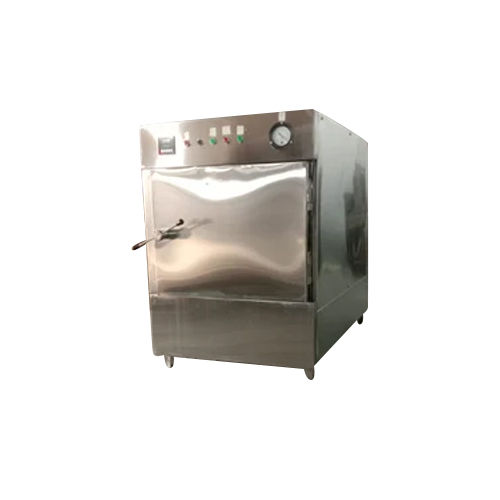
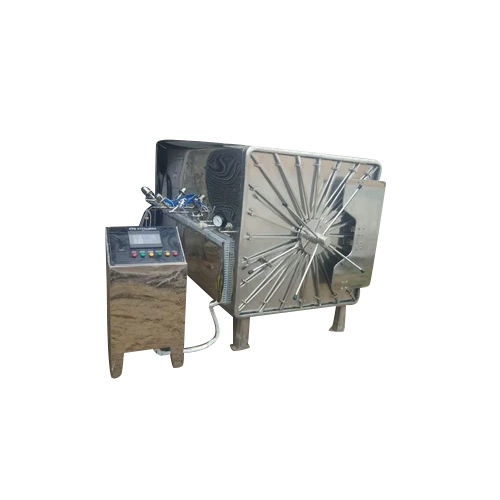
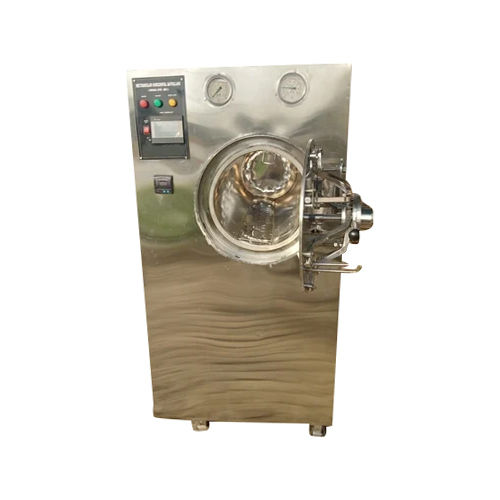
Our offered Horizontal High Pressure Steam Sterilizer uses high pressure steam to kill microorganisms and bacteria on the surfaces of the items being sterilized. It is commonly found in hospitals, clinics & laboratories to ensure that medical instruments and other items are free of contaminants. It is also great to be used in the food industry to sterilize food containers and other items. This sterilizer is highly appraised for its low maintenance, fine finish, flawless design and superb finish. It is manufactured in adherence with set industry standards. Moreover, this Horizontal High Pressure Steam Sterilizer can be attained from us at very feasible price range.
Robust Stainless Steel ConstructionEngineered with 304/316 grade stainless steel, this sterilizer offers superior resistance against corrosion, ensuring a long operational lifespan even in demanding settings. The seamless piping and durable chamber construction are tailored to industrial standards, minimizing maintenance and downtime.
Advanced Control and AutomationFeaturing a PLC microprocessor control system with an intuitive touch screen, operators can easily set sterilization parameters and monitor cycle status in real-time. The digital display includes cycle status indicators and audio-visual alarms for cycle completion and fault detection, promoting seamless workflow.
Comprehensive Safety MechanismsPressure safety interlocks, automatic cut-off, door lock protections, and secure pneumatic or stainless steel valves ensure user safety at all times. The sterilizer includes robust safety protocols to handle high-pressure and high-temperature operations, adhering to industry best practices.
FAQ's of Horizontal High Pressure Steam Sterilizer:
Q: How does the Horizontal High Pressure Steam Sterilizer ensure uniform heat distribution during sterilization?
A: The sterilizer employs a 360-degree rotary spray system and features heat uniformity of 1C throughout the chamber. This ensures consistent temperature distribution, minimizing the risk of cold spots and guaranteeing thorough sterilization of all items placed inside.
Q: What is the recommended water source for optimal operation and why?
A: RO (Reverse Osmosis) or clean softened water is advised to prevent limescale build-up and increase the sterilizer's lifespan. High water purity also helps maintain chamber integrity and supports effective sterilization cycles.
Q: When should the sterilizer's cycle parameters, like temperature and duration, be adjusted?
A: Cycle parameters should be adjusted according to the type and volume of materials being sterilized. The device allows programmable temperature settings from room temperature up to 134C and sterilization times from 0 to 99 minutes, catering to different operational requirements.
Q: Where is the ideal installation site for this steam sterilizer?
A: This sterilizer is floor-mounted with leveling pads included. It should be installed in a well-ventilated, clean, industrial workspace with access to 3-phase power (415V, 50Hz), clean water supply, compressed air (6-7 bar), and sufficient space for trolley movement and maintenance access.
Q: What processes are automated in this sterilizer and how does that benefit users?
A: Key processes like water draining, cycle recording, and door locking are automated via PLC microprocessor control and sensors. Automation enhances convenience and safety, reduces manual intervention, and improves efficiency and repeatability of sterilization cycles.
Q: How is user safety maintained during high-pressure operation?
A: Safety is ensured through features such as pressure safety interlocks, automatic cut-off mechanisms, and door lock protection. Additionally, stainless steel safety valves and audio-visual alarms keep the operator informed of any abnormal conditions during operation.
Q: What optional accessories are available, and how can they enhance operational benefits?
A: Optional accessories such as extra trolleys, a printout device for cycle recording, and remote connectivity features allow for improved workflow efficiency, comprehensive record-keeping, and off-site monitoring, enabling seamless integration into modern industrial environments.






 Send Inquiry

 Send Inquiry
 Send Inquiry
 Send SMS